

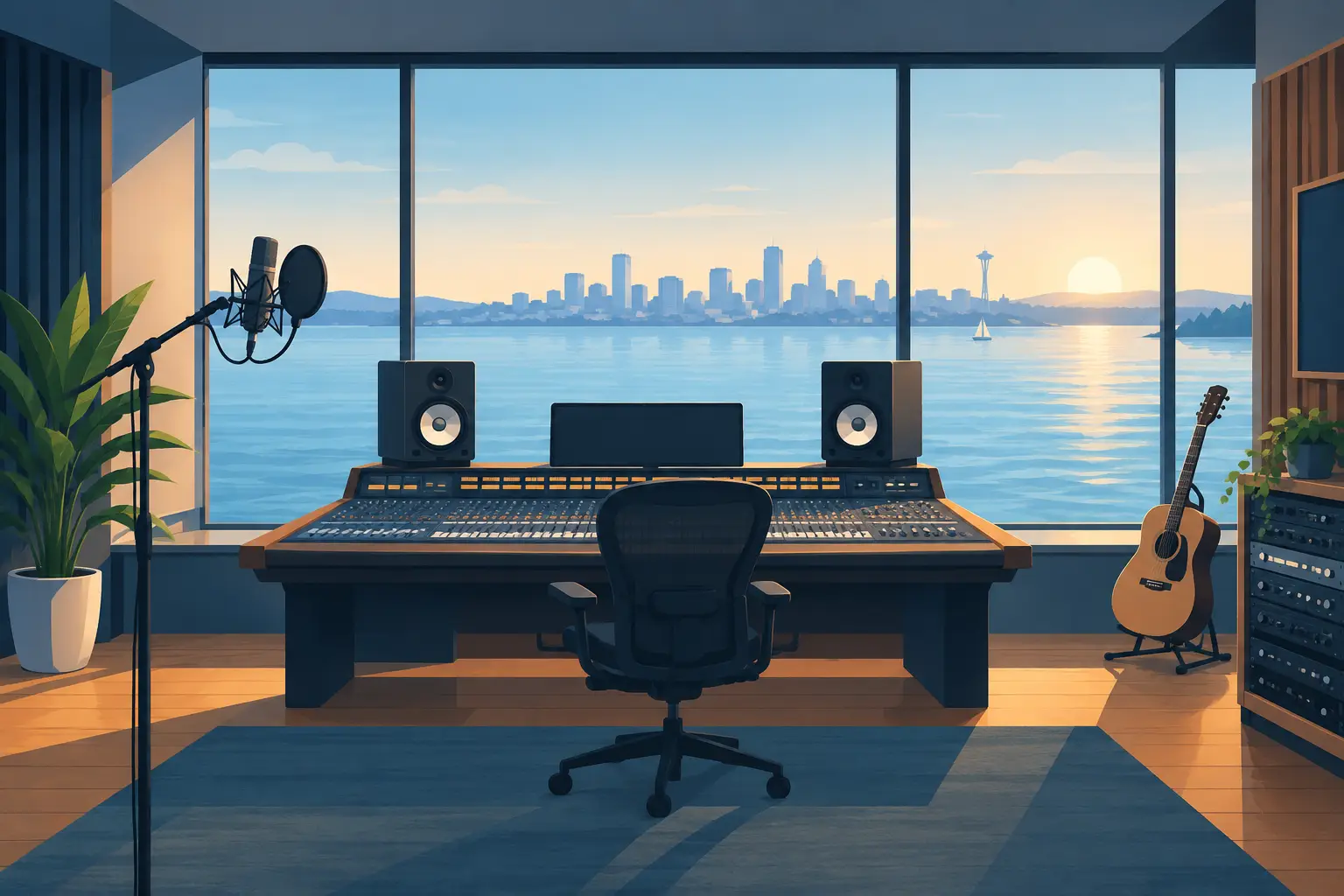
A waterfront recording studio review should begin with the thing that changes a session before a microphone is even switched on: how the space makes you feel. If you are used to windowless rooms, traffic outside and the clock starting the moment you arrive, stepping aboard a studio by the water can feel like a genuine reset. For bands, vocalists, presenters and content makers, that calmer headspace is not just a nice extra. It can affect confidence, focus and the quality of the take.
The setting alone is not enough, of course. A memorable location needs proper acoustic control, dependable recording systems and an engineer who understands what the project needs. The best waterfront studios pair the character of their surroundings with a serious, usable production workflow. Here is what is worth weighing up before you book.
What makes a waterfront recording studio different?
A conventional studio is designed to remove distractions. A well-run floating studio does that differently: it gives you physical distance from the usual noise without making the room feel sterile. The change of scene matters when a band has been rehearsing the same set for months, when a solo artist is trying to find the emotional centre of a vocal, or when a presenter needs to sound relaxed on camera.
There is also a practical creative benefit. Waterfront light, timber details and a distinctive exterior can turn a recording day into content day. Rather than treating video as an afterthought, artists can capture live performances, interviews, short-form social clips or a full multi-camera session in a place that already has visual character.
That said, atmosphere should never be confused with acoustics. Water may be peaceful, but recording rooms still need appropriate isolation, treatment and monitoring. Ask how the live room is set up, where the control or editing space sits, and whether the studio is designed to manage loud rehearsals as well as detailed vocal and acoustic work.
Waterfront recording studio review: the practical test
The most useful way to review a studio is to picture your actual session, from load-in to final files. A beautiful room is only worth booking if it supports the way you work.
Sound quality begins with the room
For a full band, the key question is whether the live room can cope with drums, amplified guitars and bass without turning everything into a blurred wash. You want enough space to perform naturally, sensible sightlines between players and a recording approach that captures energy without losing separation.
For singers, rappers, beatbox artists and voice artists, the priorities may be different. Listen for a dry, controlled vocal option, good microphone choice and monitoring that lets the performer hear detail without having to fight the backing track. The room should help you commit to a performance, not encourage endless fixing later.
A competent engineer will match the setup to the brief. A loud, punchy live video may benefit from a different mic placement and headphone mix than a layered release track intended for detailed mixing. There is no single ‘best’ sound. There is only a setup that is right for the song, voice or programme you are making.
Recording, video and livestreaming should work together
Many projects now need more than a finished audio file. An artist might need a rehearsal, a multitrack recording, a filmed performance and a few vertical clips from one session. A podcast team may want clean dialogue, a two-camera interview and edited extracts for a campaign. Booking separate rooms and crews for each stage adds cost and breaks creative momentum.
A studio with dedicated recording, editing and green-screen facilities can keep that process in one place. Multi-camera capture is particularly valuable for bands and performance-led creators because it preserves the real interaction between people in the room. Instead of miming to a later track, you can capture the take as it happens.
Livestreaming needs the same level of planning. A reliable broadcast is not simply a camera pointed at a performer. It depends on clean audio routing, camera framing, lighting, platform preparation and someone calmly watching the technical detail while you concentrate on the audience. Experience across live sound and broadcast production makes a noticeable difference here.
The engineer is part of the booking
A studio can have excellent equipment and still feel difficult if nobody helps the session move forward. For emerging artists, a good engineer provides reassurance without taking over. For established performers and commercial teams, they provide quiet efficiency: patching, gain staging, session organisation, backups and clear communication.
This is where a founder-led space can be especially useful. At Yougig, the combination of recording, multi-camera production and broadcast experience means projects can be approached as complete productions rather than isolated room hires. That is relevant whether you are tracking a new single, making a presenter-led film or broadcasting a live set.
The trade-off is that engineer-led time should be booked with a clear brief. Send references, rough demos, track counts, production requirements and any planned video outputs beforehand. The more the studio knows about the result you want, the less paid time is spent making avoidable decisions on the day.
What to check before you book
Waterfront locations can feel wonderfully removed, but they require a little more planning than a room above a high street. Confirm access for instruments and cases, parking or nearby unloading arrangements, toilet and refreshment facilities, and the route from arrival point to the live room. If you have a drum kit, amps, lighting or a larger crew, these details matter.
It is also worth checking the session format. Self-service rehearsal hire and engineer-led recording are different bookings with different outcomes. Rehearsal time is ideal for tightening arrangements, trying a new set and getting comfortable as a group. Recording time should include enough space for setup, soundchecks, performance takes, playback and file management.
For video work, agree the deliverables before the cameras roll. Are you receiving raw footage, an edited performance film, social edits, audio mixes or all of the above? If a green screen is involved, think about wardrobe and props. Certain colours and fabrics can complicate keying, while reflective surfaces may need extra lighting control.
Finally, be realistic about time. A single song recorded live can be quick if the band is prepared and the arrangement is settled. It can take much longer if you want layered overdubs, detailed editing, multiple camera angles and a polished final mix. A good studio will help you choose a session length that matches the ambition rather than selling you a vague promise of ‘a day’.
Who benefits most from the waterfront approach?
Bands looking for a rehearsal space with a route into recording are a natural fit. You can work out the arrangement in a proper live room, then capture it when the performance is ready. That continuity is valuable because the room, monitoring and workflow already feel familiar.
Solo artists can benefit just as much. A distinctive setting gives a vocal session or acoustic performance a sense of occasion, while technical support removes the pressure of having to operate everything yourself. For spoken-word creators, podcasters and presenters, the calmer atmosphere can help conversations sound less forced and more present.
It also works well for teams who need a professional finish without a sprawling production setup. A small brand can film an interview, record clean audio and create presenter content without moving between an audio studio, a video set and an editing suite. That is not always the cheapest route on paper, but it can be better value when it reduces coordination, travel and repeated setup time.
Is it worth choosing a floating studio?
It depends on your priorities. If you only need the lowest-cost place to make a quick demo, a straightforward rehearsal room may be enough. If you need the largest possible soundstage or an overnight residential lockout, a waterfront studio may not be the obvious choice either.
But if your project benefits from a relaxed environment, focused technical support and the option to create audio, video and live broadcast material in one memorable location, the format has real value. The setting can make performers feel more at ease, while the infrastructure ensures the result is more than a nice day by the water.
Book the room that suits the work, arrive prepared, and leave enough time for the moments when a performance stops feeling rehearsed and starts feeling true.