

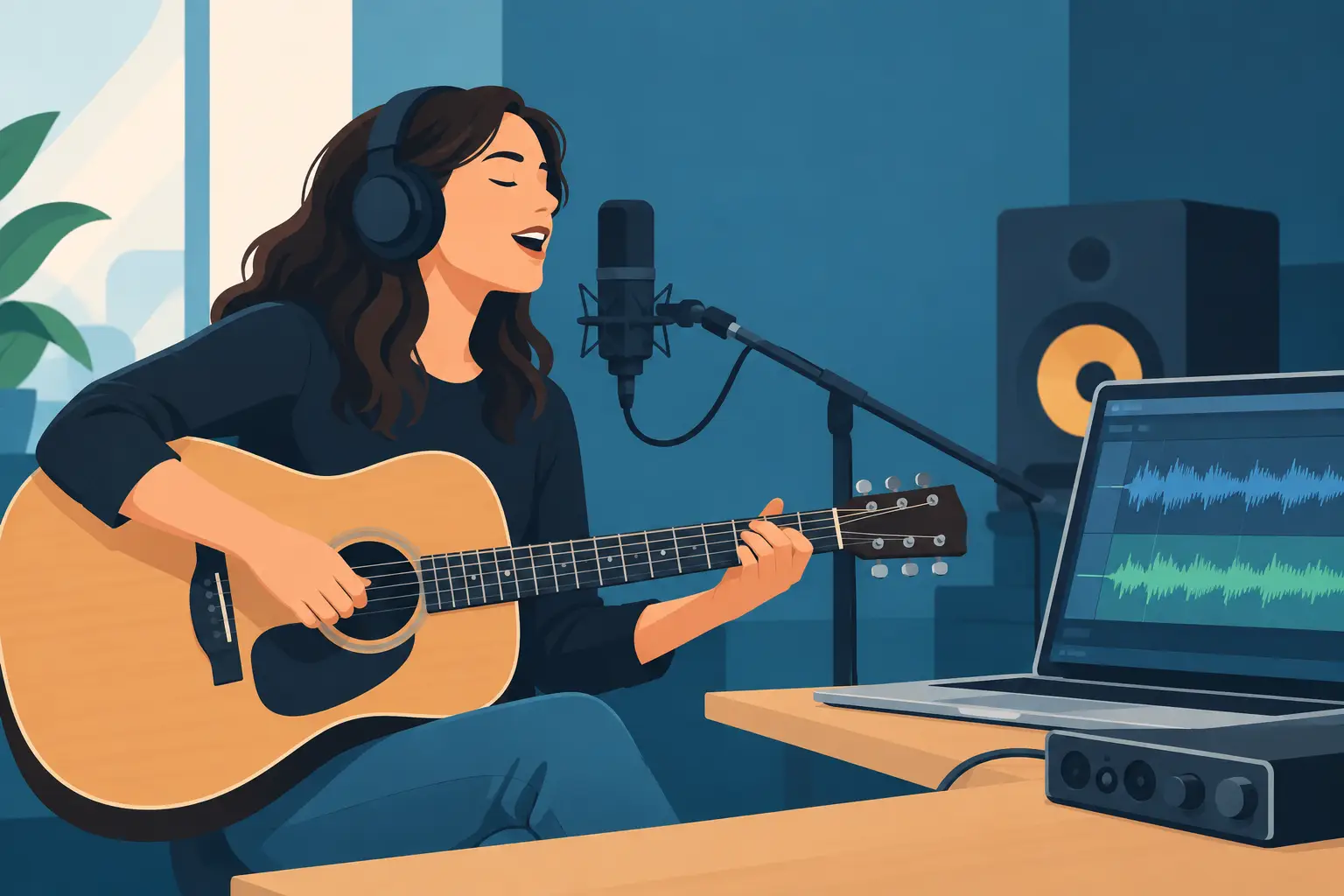
A great music recording is not simply a clean signal arriving at a computer. It is the moment a performer stops thinking about the microphone, the band locks into the same pulse, and the room gives the song enough space to breathe. The technical side matters deeply, but the best sessions feel less like an examination and more like a performance with a safety net.
For artists around Shoreham-by-Sea, Brighton and Sussex, that distinction can make the difference between a technically tidy demo and a track people return to. Whether you are recording a full band, a solo vocal, a rap verse, beatbox performance or an acoustic session, a little preparation helps you spend studio time on the creative decisions that actually move the music forward.
Start Music Recording With the Song, Not the Gear
It is tempting to begin with microphones, plug-ins and track counts. Start earlier. Ask what the listener should feel in the first 20 seconds, where the energy needs to rise, and which part must sound most immediate. A sparse vocal-led song may need intimacy and detail. A loud rock track may need the physical connection of musicians playing together. An electronic production may need precise layers rather than a conventional live take.
Make a simple session plan before you arrive. Decide which parts are essential, which sections can be built later, and where you are happy to leave room for a spontaneous idea. Bring reference tracks, not so the recording becomes a copy, but to give the engineer a useful sense of weight, tone and atmosphere.
Tempo and arrangement deserve extra attention. A click track is useful for editing, overdubs and later video synchronisation, but it is not compulsory for every song. Some performances gain energy from slight movement in tempo. If you want that freedom, agree it at the outset. If you plan to stack programmed drums, vocal layers or tightly edited guitars, recording to a click will usually save time later.
Choose the Right Room for the Performance
A recording space should support the way you make music. That is about more than square footage. Consider whether the group needs eye contact, whether you need separation between instruments, and how much natural room sound belongs in the final arrangement.
For a live band, recording together can capture the subtle cues that make a chorus lift or a groove settle. There may be a little microphone spill between instruments, but that is not automatically a problem. In the right room, spill is part of the glue. The trade-off is that replacing one weak drum hit or changing a guitar sound afterwards can take more care.
Tracking each instrument separately gives more control. It suits productions that need detailed editing, heavily layered arrangements or a very polished finish. Yet isolated takes can lose some of the risk and interaction of a proper group performance. A hybrid approach is often the sweet spot: record drums, bass and guide guitar live, then refine vocals, lead parts and textures in overdubs.
At Yougig, the benefit of a large live room alongside a dedicated digital mixing and editing suite is that the session can change shape without changing location. You can capture a loud, connected performance, then move into focused listening and detailed production work while the character of the day is still fresh.
Give performers a usable headphone mix
Headphones are where a musician either settles into the song or starts fighting it. A singer may need more vocal and less click. A drummer may need bass clearly defined. A rapper might want the beat loud enough to perform with authority while retaining enough of their own voice to control delivery.
Say what you need early, and do not apologise for asking for an adjustment. A headphone mix is not a luxury. It affects tuning, timing, confidence and stamina. If several people are recording, allow a few minutes for everyone to find a balance they can perform to before committing to the take.
Prepare for a Faster, More Relaxed Session
Rehearsal is not only about getting the notes right. It reveals practical issues before they become expensive studio problems. Check song structures, endings, count-ins and instrument changes. If the band argues about whether a section happens twice or three times, resolve it in rehearsal rather than with the clock running.
Fresh strings, good drum heads, charged pedals and spare leads make a noticeable difference. Vocalists should arrive hydrated, with lyrics clearly marked and backing parts already considered. If you use tracks, samples or sessions from a laptop, bring them in organised folders and confirm the correct versions. Naming files properly may not feel glamorous, but it prevents a great take being lost in a folder called “final final new”.
Leave some margin in the schedule. The first half-hour often includes getting comfortable, setting levels and finding sounds. That is not wasted time. It is the foundation that lets the rest of the session move quickly. Rushing the setup can create a recording that is difficult to rescue later, particularly with vocals, acoustic instruments and live drums.
Capture Takes That Have a Point of View
Perfection is not always the same as impact. A vocal can be technically flawless and still lack urgency. A guitar part can be slightly rough around the edges yet carry the exact tension the lyric needs. The goal is not to lower standards. It is to judge every take by the character of the song as well as its accuracy.
A reliable method is to record a full performance first, even if you expect to repair sections afterwards. Full takes create a natural arc and give you material to compare. Then record targeted alternatives for difficult lines, solos or transitions. This avoids building a performance one bar at a time before you know whether the whole thing communicates.
For vocals, record more than one emotional approach when time allows. One take might be close and conversational, another more projected, another almost spoken. Those options are valuable during mixing, when the track reveals what it needs against the final arrangement.
Do not endlessly chase takes after the performance has started to decline. Fatigue can flatten phrasing and make a singer doubt choices that were working well. Take a proper break, listen back away from the microphone, and decide whether the issue is genuinely musical or simply the pressure of hearing yourself under a microscope.
Make Production Choices That Serve the Release
Recording is only one stage. Editing, mixing and mastering turn raw performances into a coherent release, but each stage works best when its purpose is clear. Editing should improve timing, tuning and structure without sanding away the human detail that made the take worth keeping. Mixing should give each part a place, not force every instrument to be huge at once.
Think about where the music will live. A live session video needs audio that remains strong when the picture pulls attention elsewhere. A streaming release must translate from studio monitors to phones, headphones, cars and modest speakers. If you are creating content around a release, multi-camera capture can turn one recording session into performance clips, social material and a full live video without asking the band to recreate the moment later.
Mastering is the final quality check, not a magic cure. It can bring consistency, level and polish, but it cannot restore a distorted vocal, a rushed arrangement or an under-rehearsed chorus. Leave enough headroom in the mix and give the mastering stage a version that has not been pushed to exhaustion.
Know when to keep it live
There is a growing appetite for performances that feel present rather than overly corrected. A live music recording with a few audible breaths, stick clicks or room reflections can feel more believable than something assembled into sterile perfection. This is especially true for acoustic artists, jazz-influenced groups, beatbox performers and bands whose strength is the way they react to one another.
That does not mean every project should be raw. Pop, rap and electronic music often benefit from precise editing and deliberate vocal production. The right choice depends on the song and the audience. What matters is that the finish feels intentional.
The most useful thing you can bring into a studio is not a perfect plan. It is a clear sense of what the song needs, plus enough preparation to stay open when the better idea appears. Set up well, listen carefully, and leave room for the take that makes everyone in the room look up.